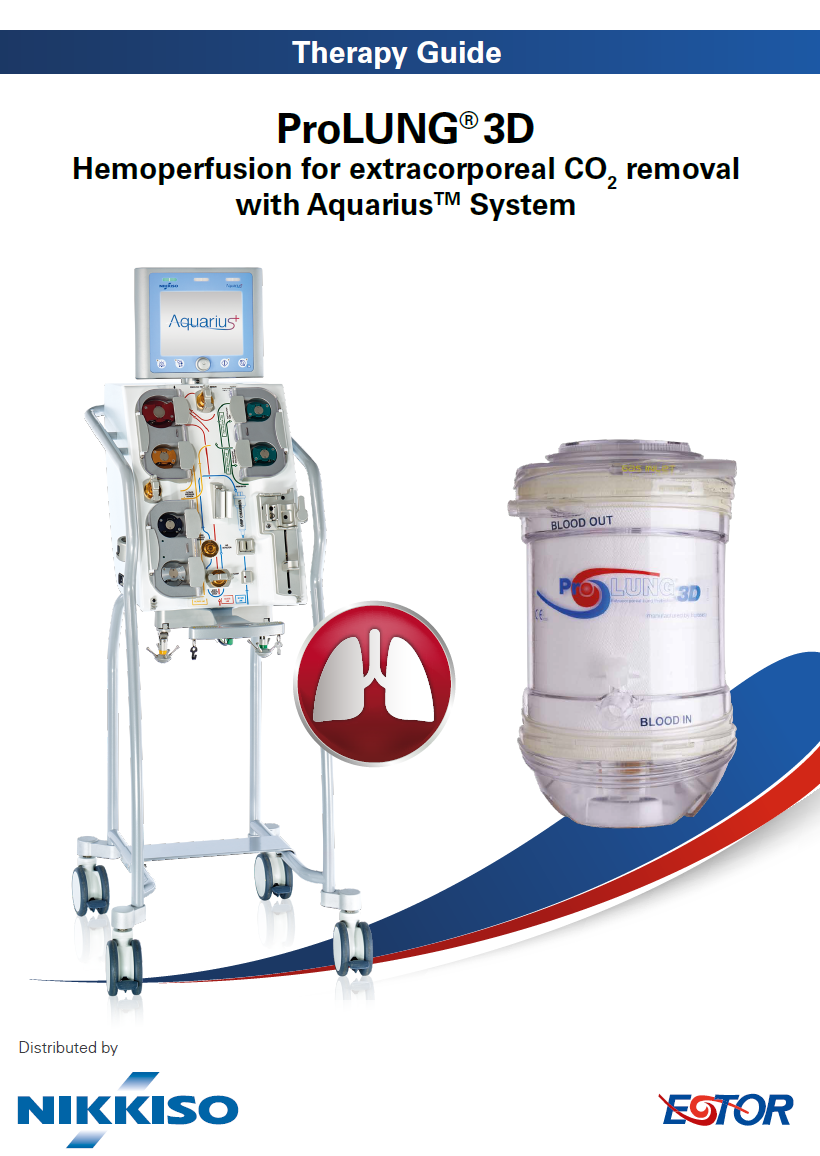
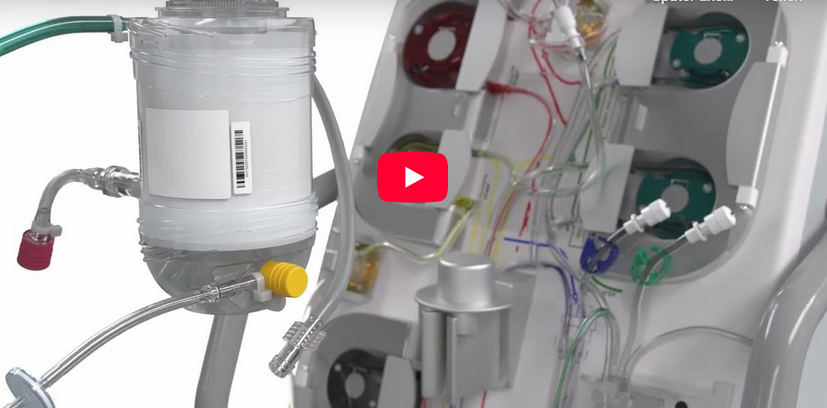
ProLUNG3D – a lung-protective strategy
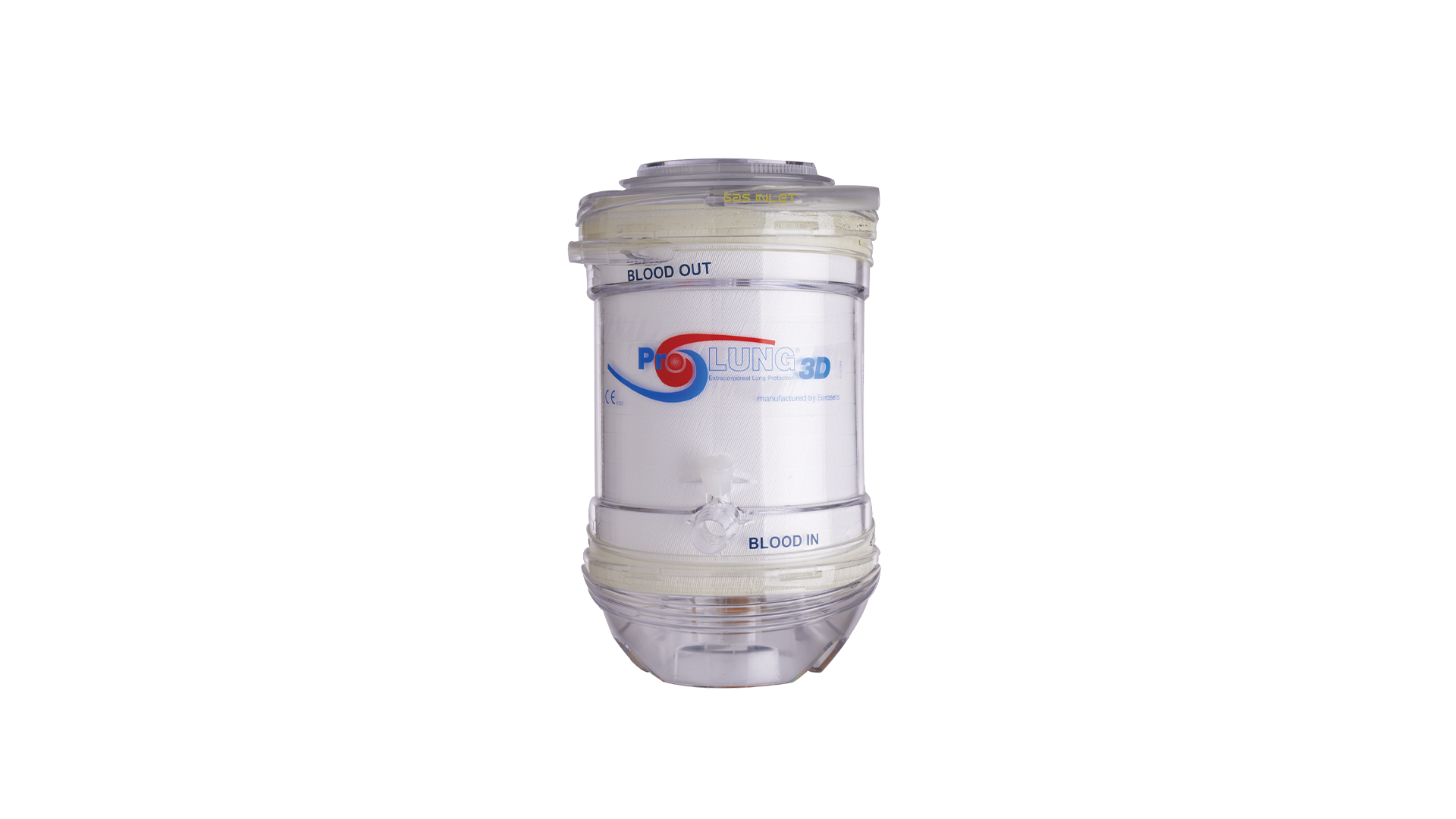
Mini-invasive extracorporeal CO2 removal system
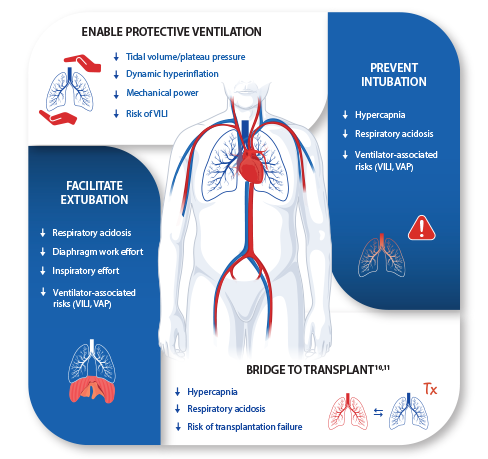
Enable Protective Ventilation – Achieve > 90 mL/min CO2 removal and a reduction of 50% MV during ultraprotective ventilation
Prevent Intubation – For patients presenting with ae-COPD and failing NIV
Bridge to transplant – Reduce hypercapnia and acidosis, reducing the risk of transplantation failure
Facilitate extubation – To reduce the risk of ventilator associated complications and work of breathing
ProLUNG® Clinical Applications Guide
Patient selection is a critical step in extracorporeal CO₂ removal therapy. This practical guide provides clear, evidence-referenced decision pathways for the use of LF-ECCO₂R in ARDS, acute exacerbation of COPD, and other indications – helping ICU clinicians determine which patients are most likely to benefit. Download it to support your team's patient selection process and lung-protective strategy.
Whether you are establishing an ECCO₂R programme or refining your patient selection criteria, this guide provides a concise, evidence-referenced framework you can apply in practice. It is designed not to replace local protocols, but to complement them – giving your team a shared clinical language and a structured approach to one of critical care's most complex decisions.
To check registration and availability in your country or for further information, please contact your local Aquarius representative or email Sales@norrdia.com.
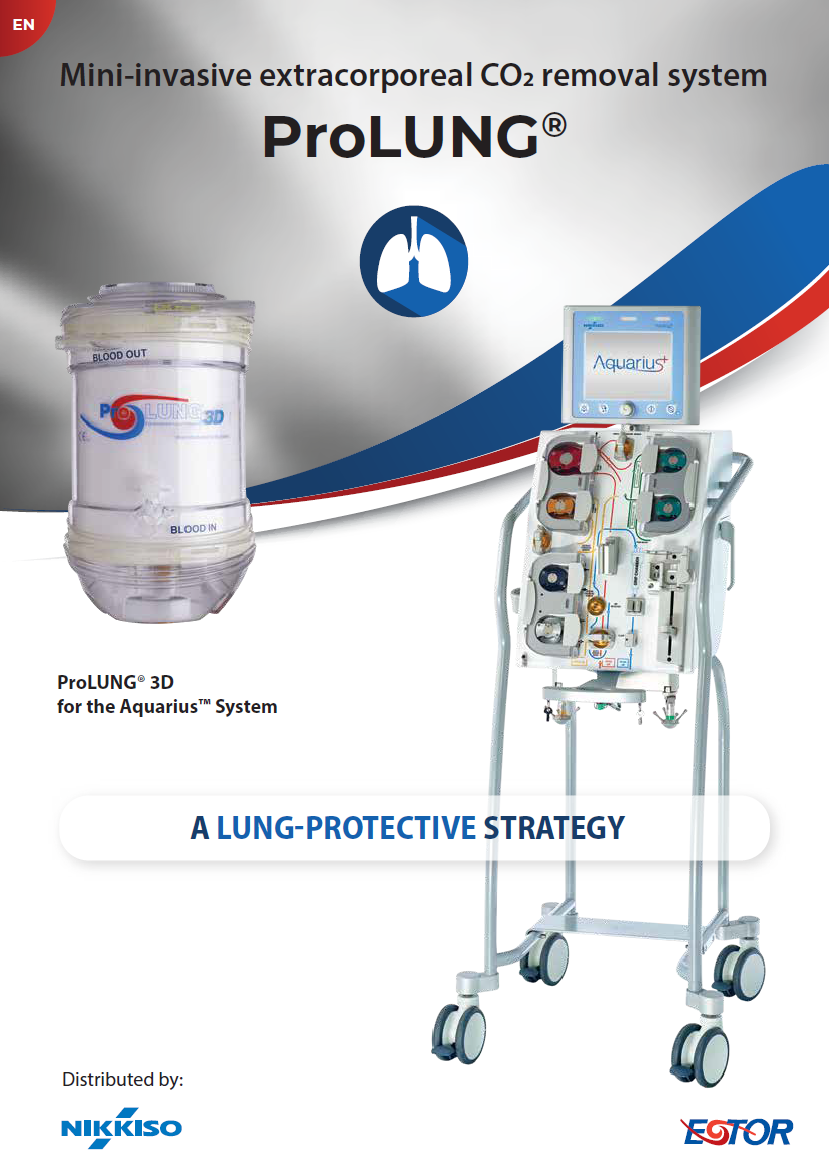
Patient selection is a critical step in extracorporeal CO₂ removal therapy. This practical guide provides clear, evidence-referenced decision pathways for the use of LF-ECCO₂R in ARDS, acute exacerbation of COPD, and other indications – helping ICU clinicians determine which patients are most likely to benefit. Download it to support your team's patient selection process and lung-protective strategy.
Whether you are establishing an ECCO₂R programme or refining your patient selection criteria, this guide provides a concise, evidence-referenced framework you can apply in practice. It is designed not to replace local protocols, but to complement them – giving your team a shared clinical language and a structured approach to one of critical care's most complex decisions.
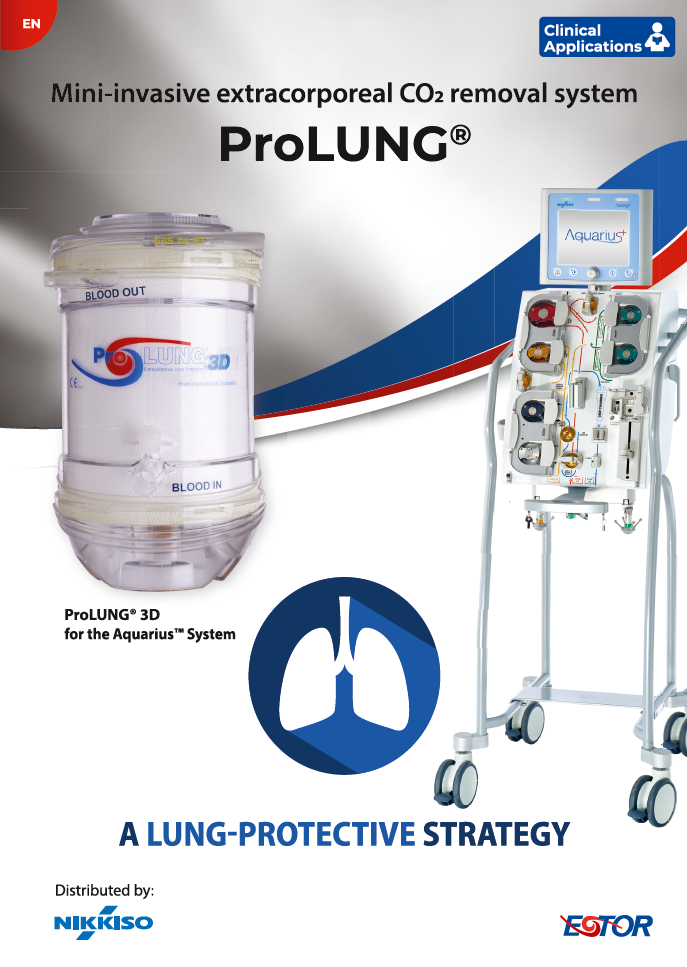
Register on our CARE Portal to get access to extensive educational content.
Those documents will support you while using our products and can provide advice on specific features.
Register on our CARE Portal to get access to those documents as well as extensive educational content.