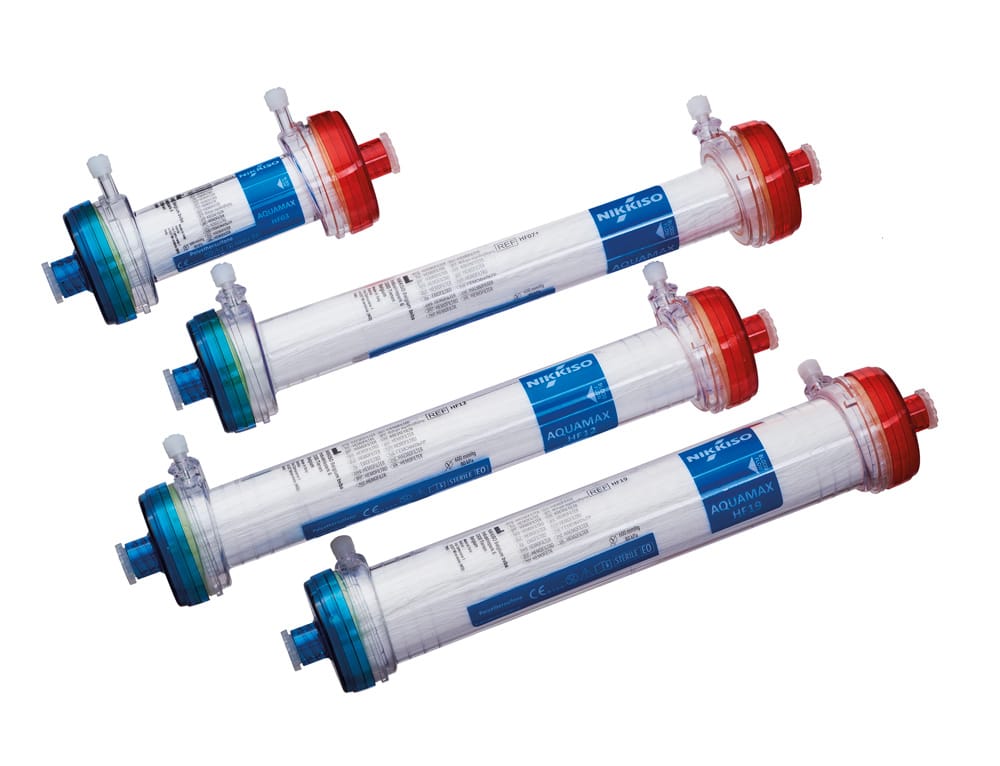
Acute Respiratory Failure
Library
 Publication - Merola R, Battaglini D, De Rosa S. Extracorporeal Carbon Dioxide Removal in Acute Respiratory Distress Syndrome: Physiologic Rationale and Phenotype-Based Perspectives. Medicina (Kaunas). 2026 Jan 23;62(2):236.
 Publication - NICE. Extracorporeal carbon dioxide removal for acute respiratory failure. HealthTech guidance HTG703. Published: 15 November 2023.
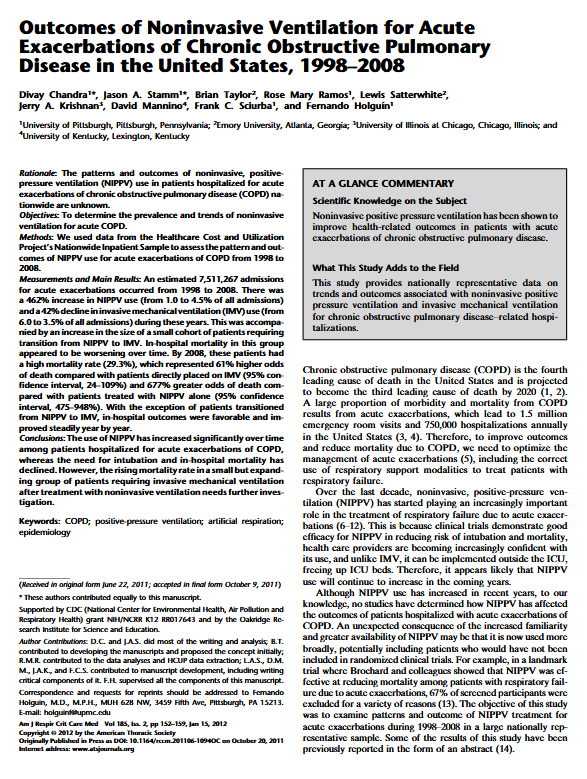 Publication - Chandra D, Stamm JA, Taylor B, et al. Outcomes of noninvasive ventilation for acute exacerbations of chronic obstructive pulmonary disease in the United States, 1998-2008. Am J Respir Crit Care Med 2012;185:152-9.
Clinical Challenge
Acute respiratory distress syndrome (ARDS) and acute exacerbations of COPD (AECOPD) remain among the most demanding conditions managed in intensive care. Despite decades of ventilator refinement, ARDS mortality still typically ranges from 30% to 45%1.
The cornerstone of modern ARDS management – lung-protective ventilation with low tidal volumes and limited plateau pressure – is itself constrained by carbon dioxide (CO₂) retention and respiratory acidosis. Clinicians are frequently forced to trade-off between protecting the lung and controlling PaCO₂2.
In AECOPD, non-invasive ventilation (NIV) is first-line therapy, but a meaningful proportion of patients fail NIV and require intubation, exposing them to the added risks of invasive mechanical ventilation2.
Extracorporeal CO₂ removal (ECCO₂R) was conceived to address this gap: removing sufficient CO₂ from venous blood to enable ultra-protective ventilation, or to extend the window for NIV, without the higher blood flows, larger cannulae, and oxygenation-focused circuitry required by ECMO.
Clinical and Resource Impact
Even guideline-compliant "protective" ventilation carries a residual burden. Elevated driving pressure and mechanical power – present even at low tidal volumes – are independently associated with ventilator-induced lung injury (VILI)1.
Prolonged invasive ventilation also increases the risk of ventilator-associated pneumonia, ICU-acquired weakness, and longer ICU and hospital stays, adding to bed occupancy and overall cost of care2. In COPD, failure of NIV and subsequent intubation is itself linked to higher complication rates and longer stays2,3 and increased mortality4.
Modelling analyses suggest that where ECCO₂R shortens ventilation duration or ICU stay in appropriately selected patients, procedural costs could in principle be partly offset – though robust, prospective cost-effectiveness data remain limited and results depend heavily on center experience1. This combination of clinical and economic pressure continues to drive interest in extracorporeal CO₂-removal strategies.
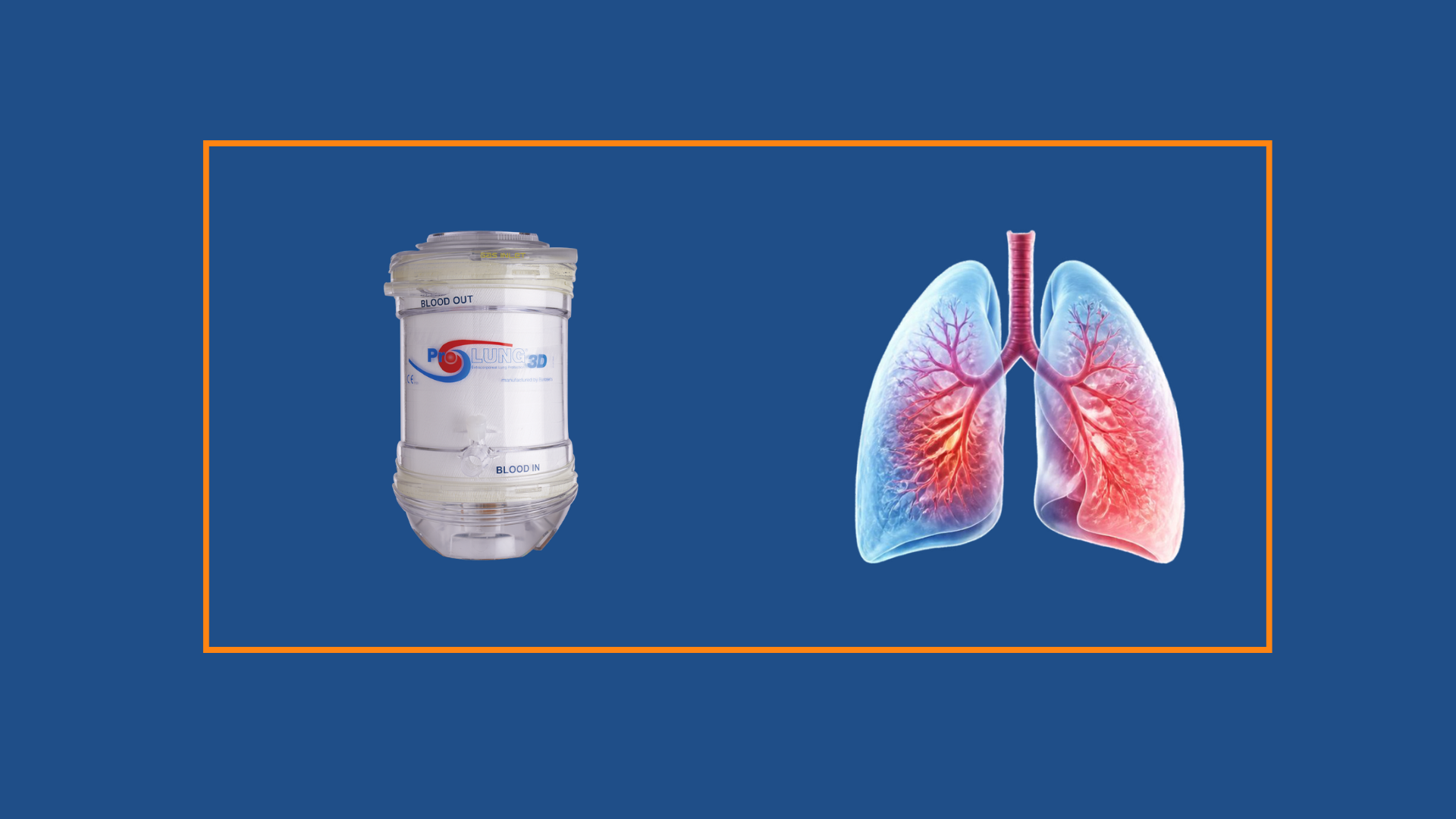
ProLUNG®
ProLUNG® is a mini-invasive, low-flow extracorporeal CO₂ removal (LF-ECCO₂R) system, distributed for use with the Aquarius™ platform.
Blood is drawn through a double-lumen central venous catheter of at least 13 Fr (femoral, jugular, or subclavian access) and circulated through the ProLUNG® gas exchanger – a polymethylpentene (PMP) membrane with a phosphorylcholine coating and a surface area of approximately 1.8 m². Medical air is passed across the membrane, and CO₂ diffuses from the blood into the gas phase.
At blood flows up to 450 mL/min (typically operated around 400 mL/min) – a range comparable to standard renal replacement therapy – the system is designed to achieve a CO₂-removal capacity greater than 100 mL/min, with up to 171 mL/min reported in preclinical testing. Each circuit is validated for up to three days of continuous use.
Conclusion
The physiological rationale for ECCO₂R is well established: relieving the CO₂-clearance burden from the lungs can help intensivists reach ventilation targets that are otherwise difficult to achieve safely. At the same time, the practitioner community has justifiably been cautious – large randomized trials in ARDS and AECOPD have not yet demonstrated a survival benefit for ECCO₂R as a class1. Current guidance from European intensive-care societies accordingly favors use of ECCO₂R for ARDS within research settings or experienced centers with rigorous patient selection, rather than as routine, unselected therapy1.
ProLUNG® is positioned within this evolving evidence landscape: a technically mature, low-flow ECCO₂R platform built on a familiar CRRT-style blood-flow range and a biocompatible membrane, intended to support experienced ICU teams in achieving lung-protective ventilation targets in carefully selected patients. We encourage clinicians to review the current literature and applicable Instructions for Use.
Related products
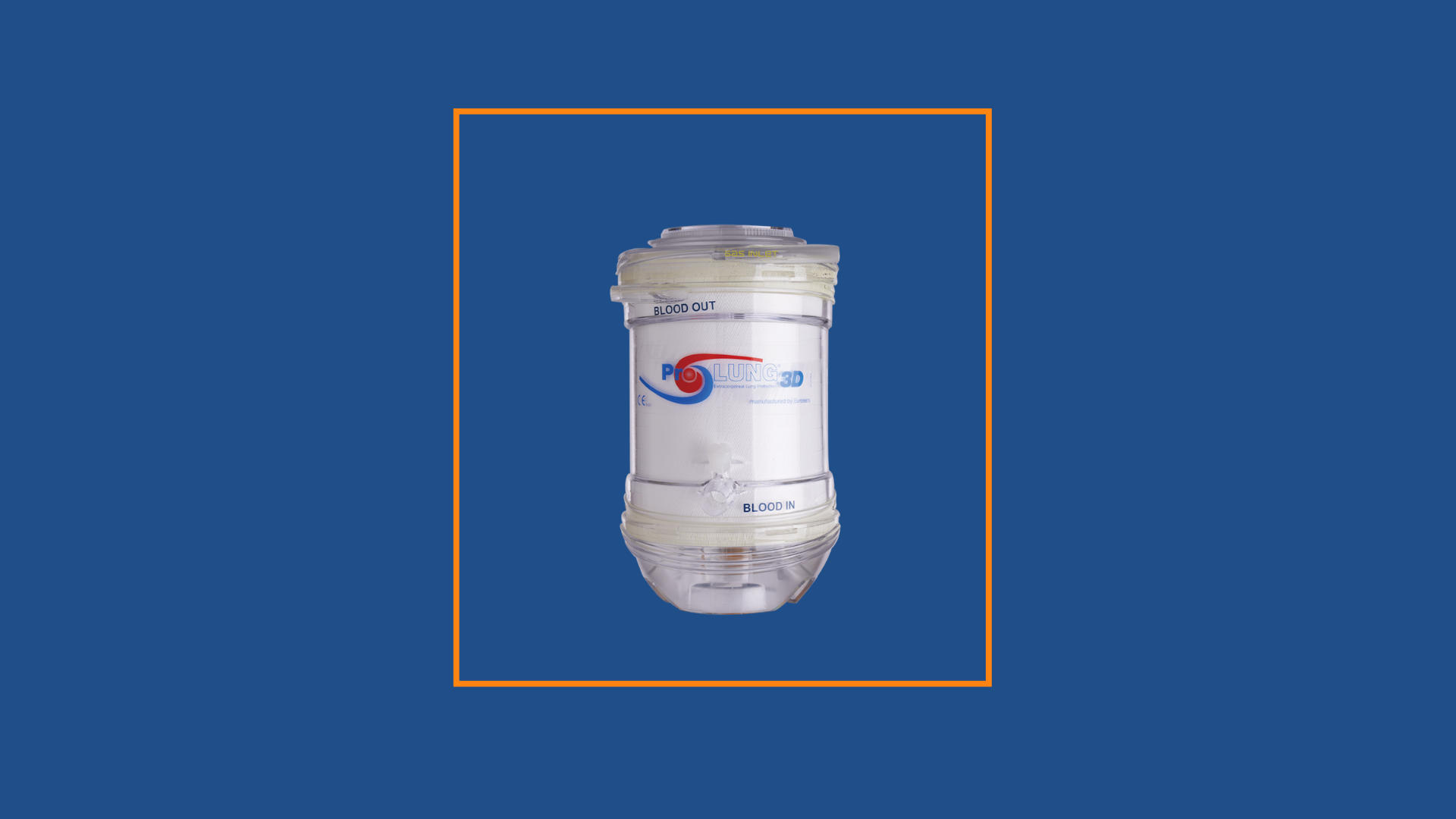
ProLUNG®3D
ProLUNG®3D - Mini-invasive extracorporeal CO2 removal system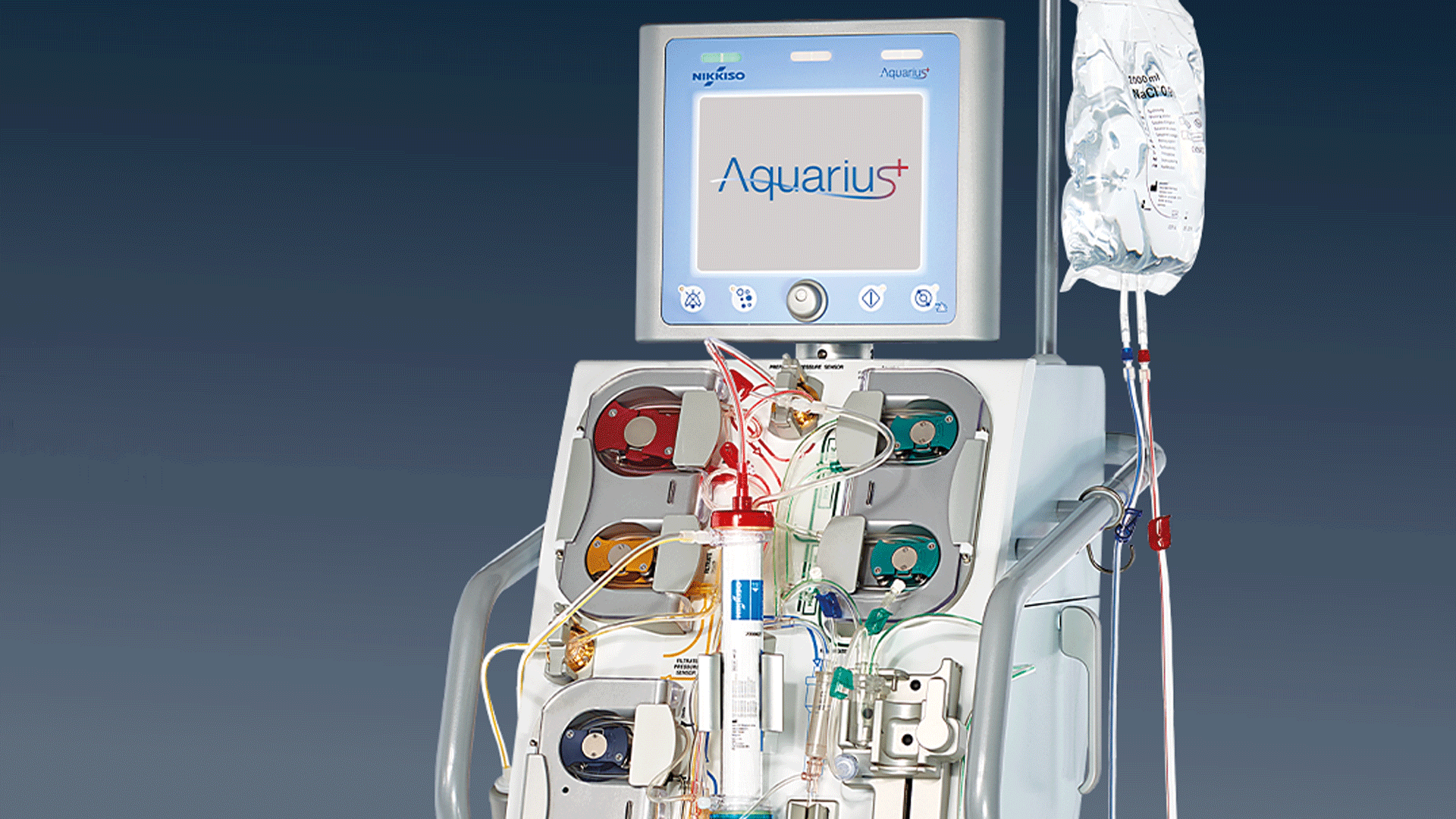
Aquarius™ Systems
Based on the iconic Aquarius platform, your system can be configured to include a classic hepari…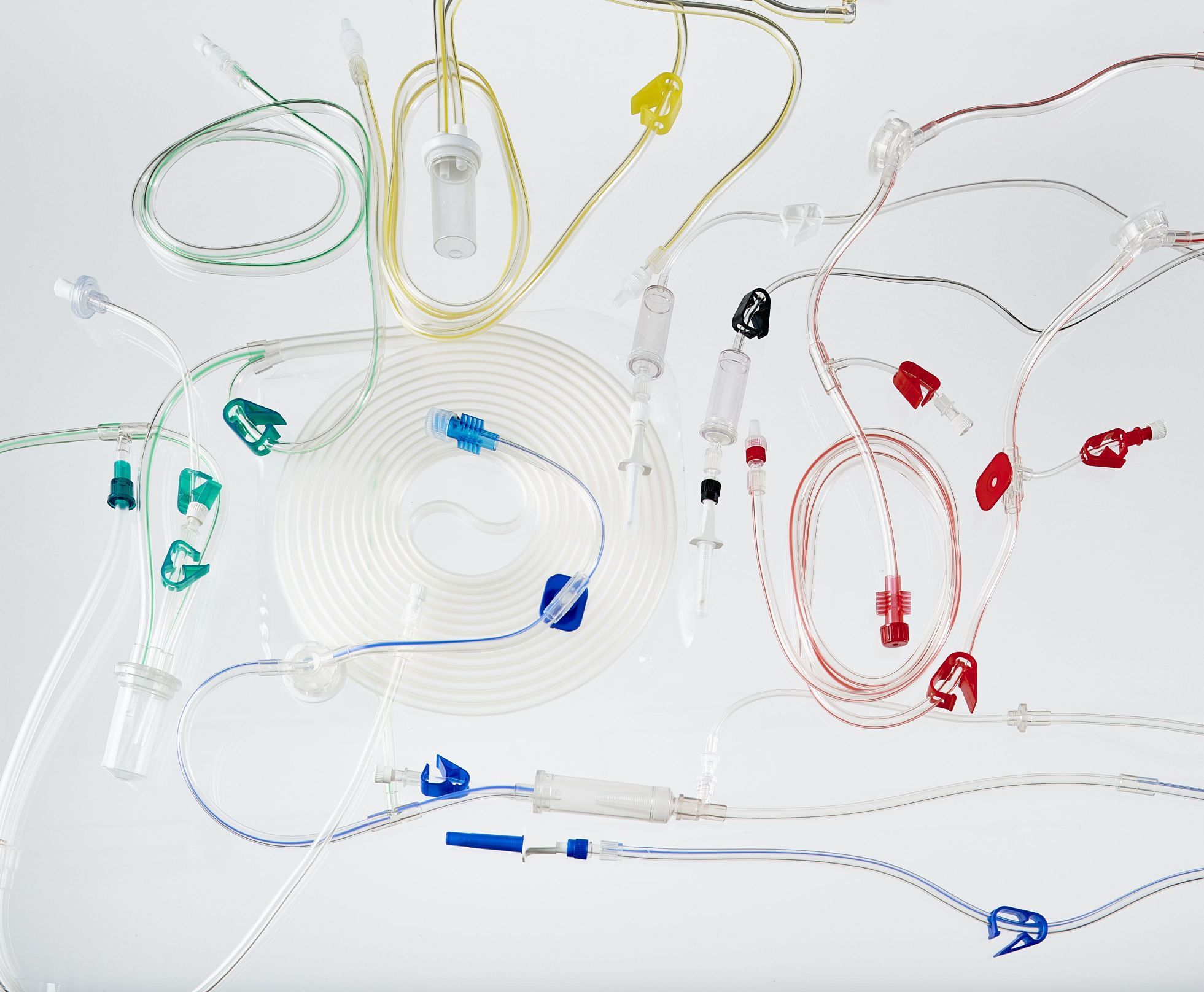
CRRT Line Sets for Aquarius Systems
Aqualine & Aqualine RCA