ProLUNG®3D – a lung-protective strategy
ProLUNG®
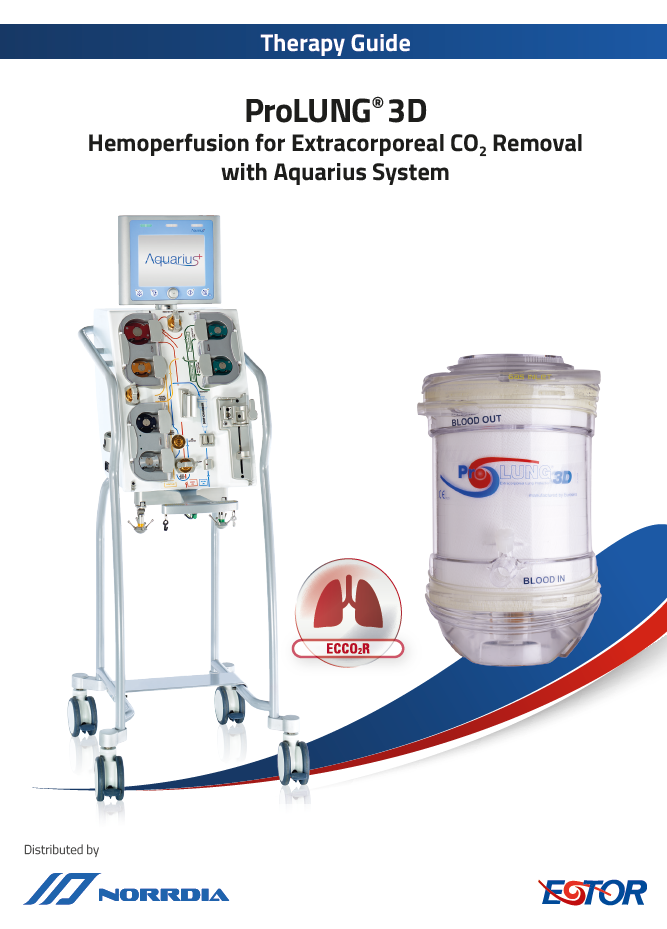
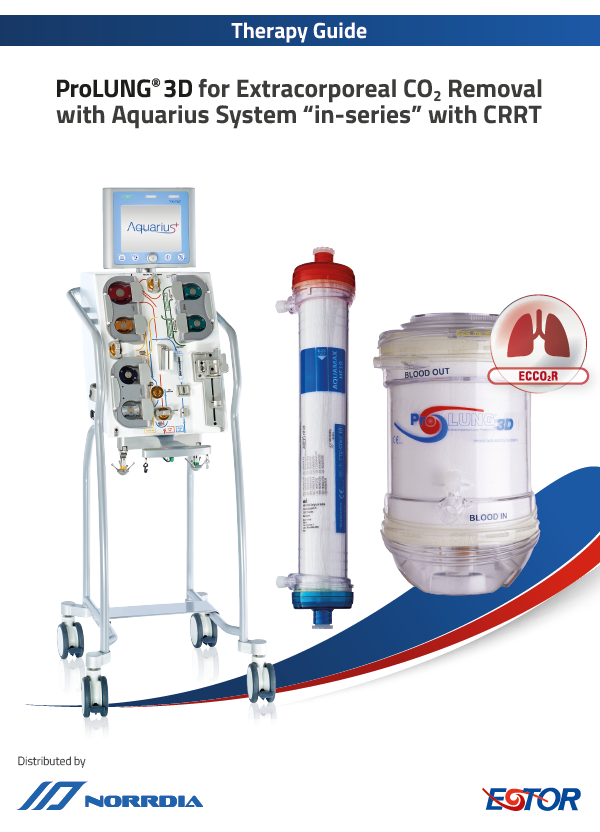
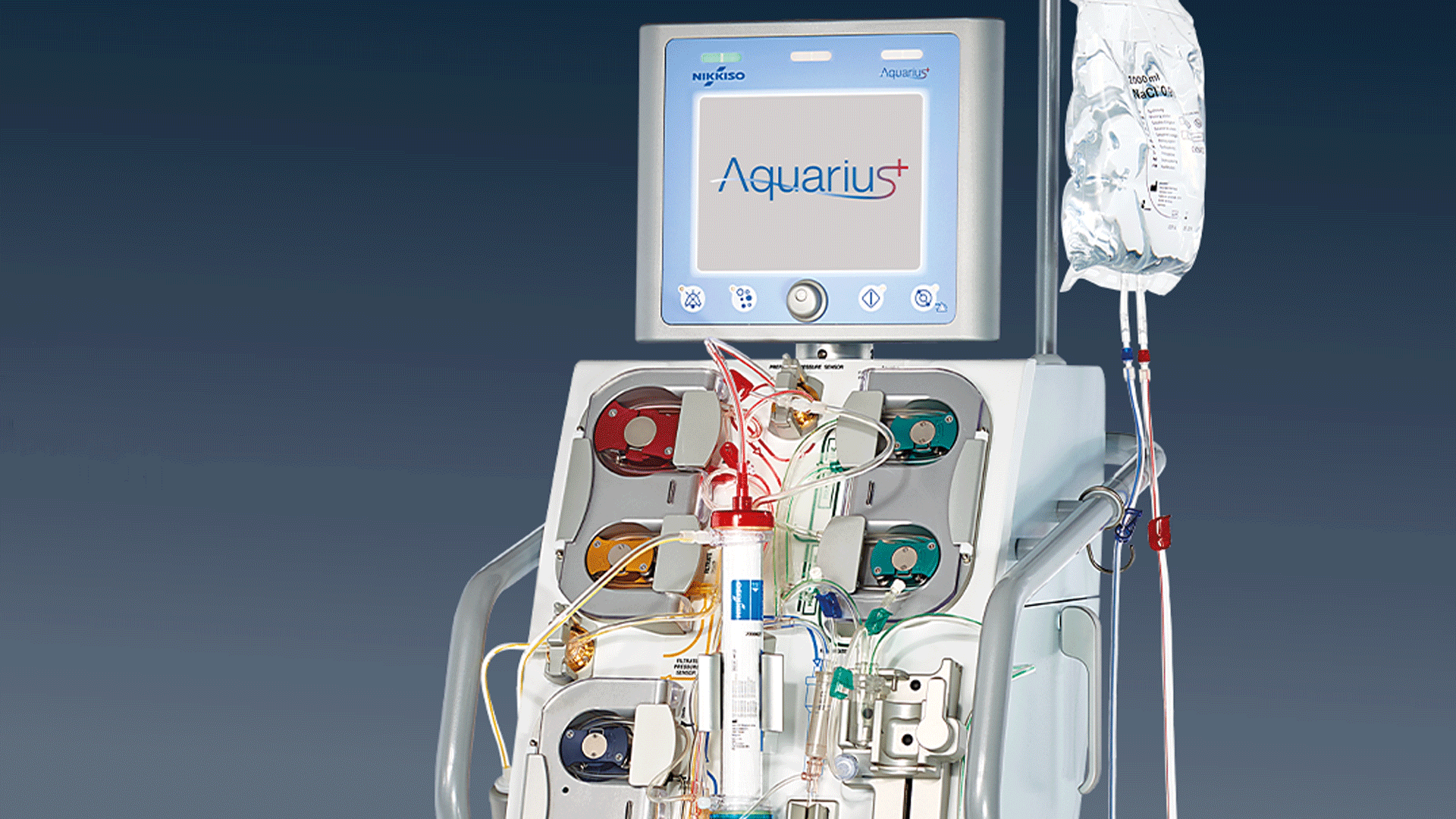
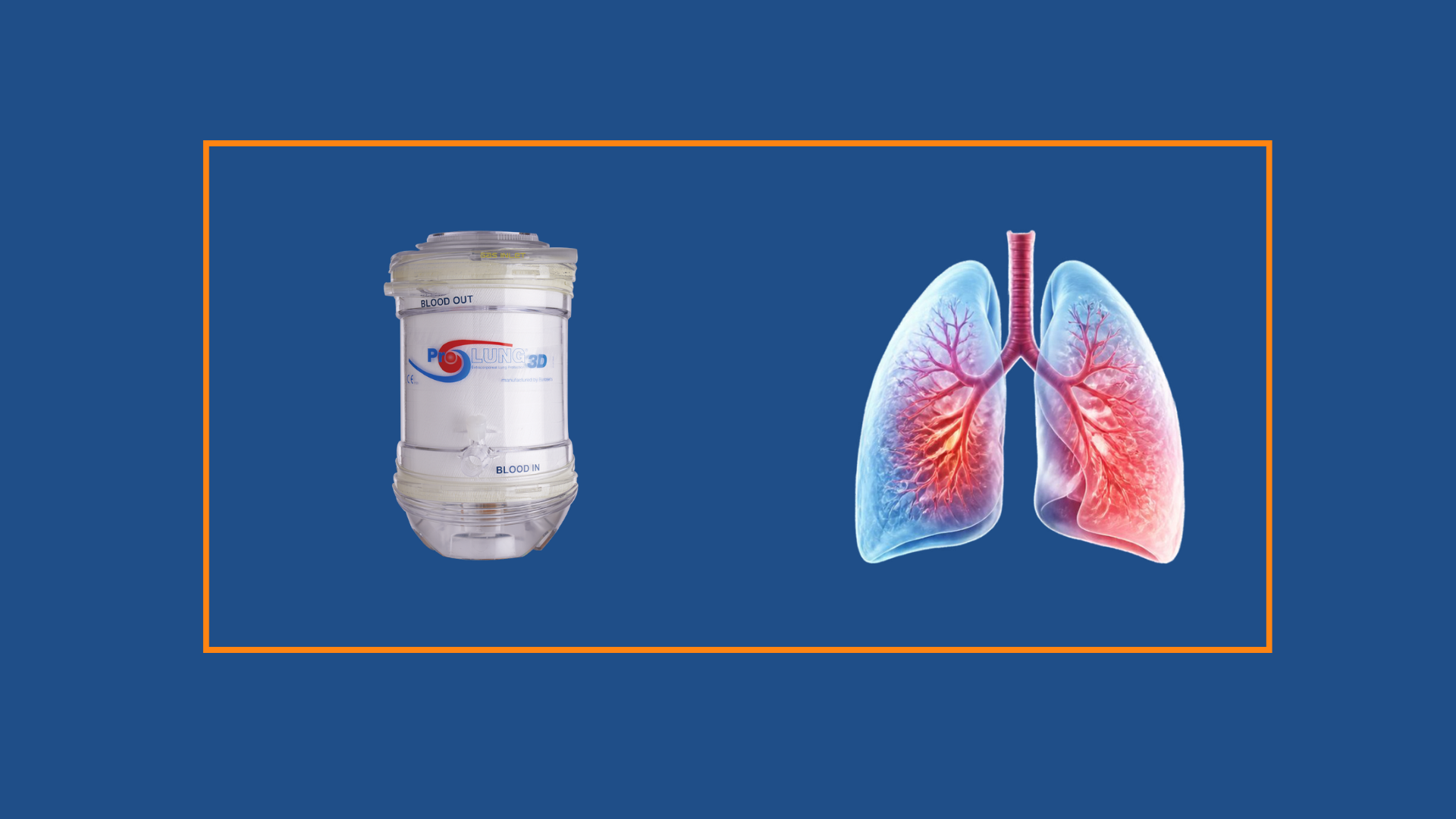
ProLUNG®3D is a mini-invasive, low-flow extracorporeal CO₂ removal (LF-ECCO₂R) system, distributed for use with the Aquarius™ platform.
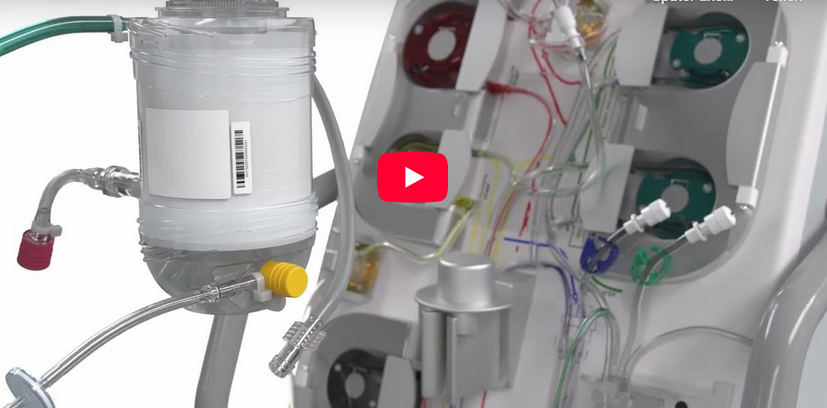
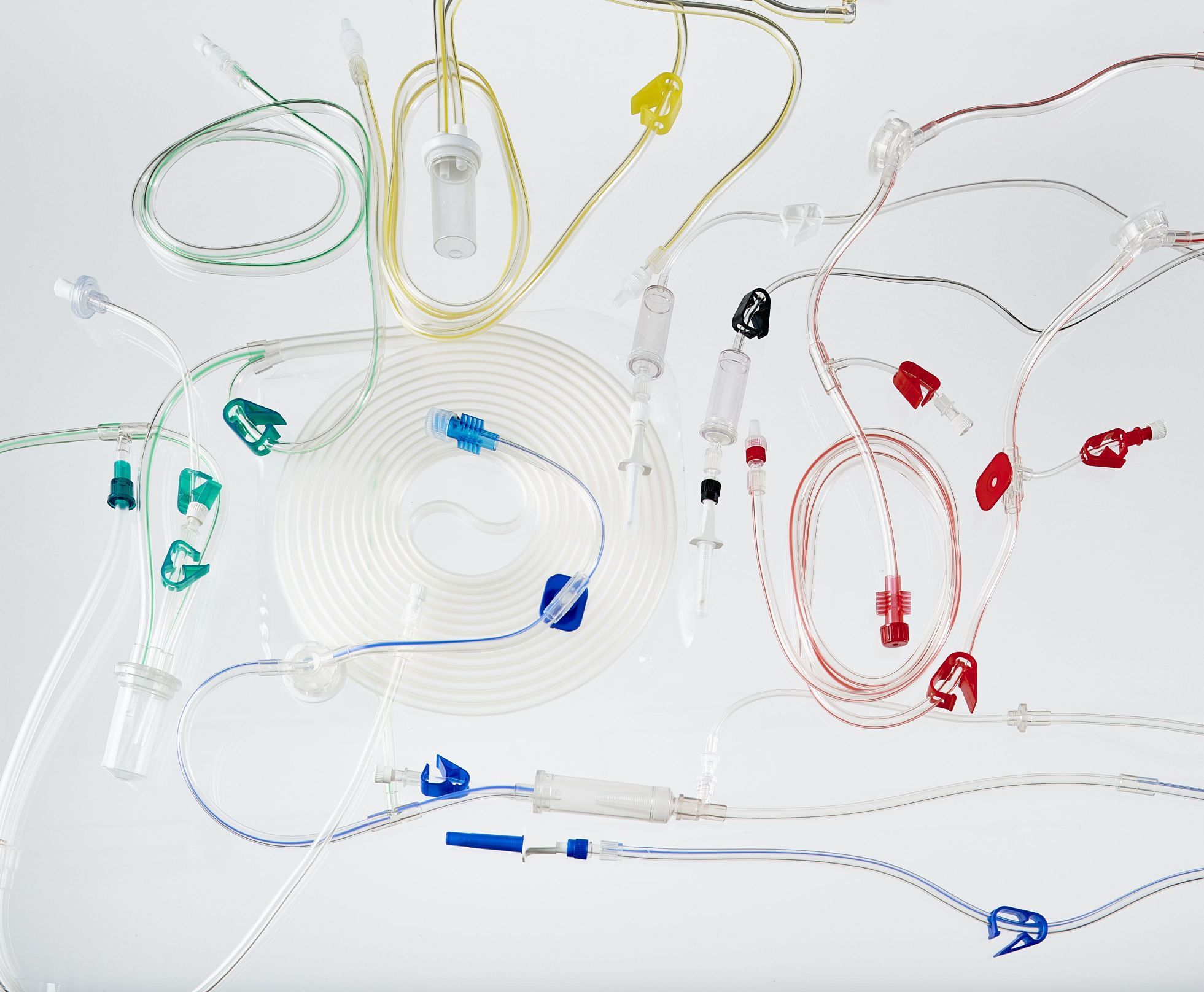
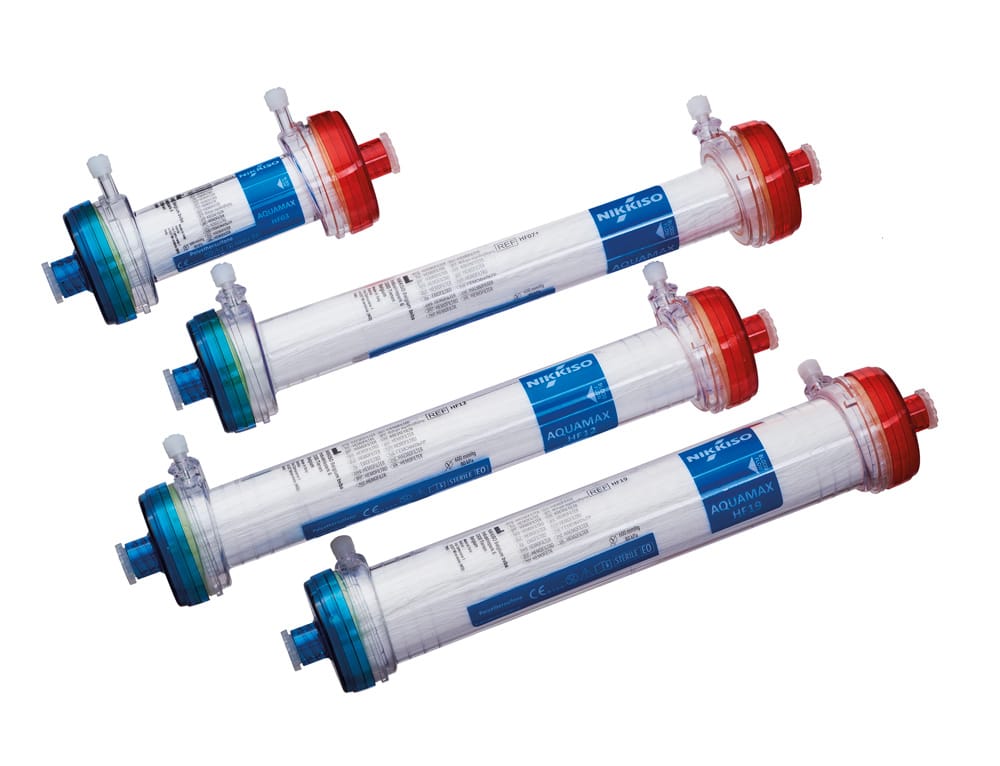
Blood is drawn through a double-lumen central venous catheter of at least 13 Fr (femoral, jugular, or subclavian access) and circulated through the ProLUNG® gas exchanger – a polymethylpentene (PMP) membrane with a phosphorylcholine coating and a surface area of approximately 1.8 m². Medical air is passed across the membrane, and CO₂ diffuses from the blood into the gas phase.
At blood flows up to 450 mL/min (typically operated around 400 mL/min) – a range comparable to standard renal replacement therapy – the system is designed to achieve a CO₂-removal capacity greater than 100 mL/min, with up to 171 mL/min reported in preclinical testing. Each circuit is validated for up to three days of continuous use.
ProLUNG® – Key benefits
- Low-flow, low-invasiveness design. Uses a single double-lumen catheter (≥13 Fr) via standard femoral, jugular, or subclavian access, at blood flows in the same range as CRRT – familiar territory for ICU and nephrology-trained teams, without access to ECMO-level technology.
- Meaningful CO₂-removal capacity. VCO₂ > 100 mL/min under typical operating conditions, sufficient to allow clinically relevant reductions in minute ventilation in physiological testing.
- Supports ultra-protective ventilation targets. By offloading CO₂ clearance from the lungs, ECCO₂R has been shown in multicentre feasibility studies to help patients reach lower tidal volumes and driving pressures than ventilation alone (e.g., tidal volume reductions from ~6 to ~4 mL/kg and driving pressure reductions from ~13 to ~9 cmH₂O in the SUPERNOVA study)1.
- Biocompatible membrane technology. The phosphorylcholine-coated PMP membrane is intended to improve circuit biocompatibility, a known limitation of earlier-generation extracorporeal CO₂-removal circuits.
- Extended, multi-day circuit life. Each set is rated for up to three days of use, reducing the frequency of circuit changes relative to many CRRT-style therapies.
- Versatility across indications. Beyond ARDS and AECOPD, ProLUNG® is described for use in the peri-transplant management of lung transplant candidates and in patients with air-leak conditions (e.g., bronchopleural fistula) where protective ventilation is otherwise difficult to achieve.
- Low complication rate. In recent publications, the number of complications was “low contrary to other studies where patients had bleeding complications or an intracranial hemorrhage seen in earlier studies with other technology2.”
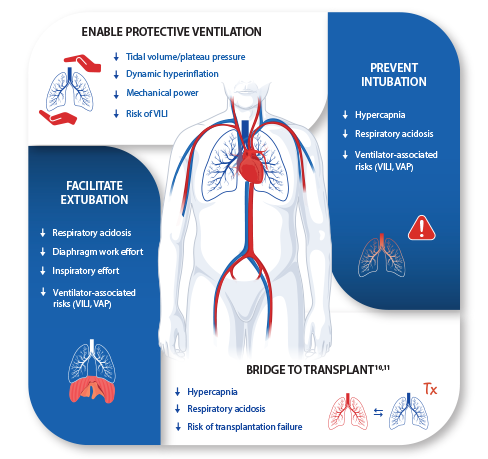
Enable Protective Ventilation – Achieve > 90 mL/min CO2 removal and a reduction of 50% MV during ultraprotective ventilation
Prevent Intubation – For patients presenting with ae-COPD and failing NIV
Bridge to transplant – Reduce hypercapnia and acidosis, reducing the risk of transplantation failure
Facilitate extubation – To reduce the risk of ventilator associated complications and work of breathing
Conclusion
The physiological rationale for ECCO₂R is well established: relieving the CO₂-clearance burden from the lungs can help intensivists reach ventilation targets that are otherwise difficult to achieve safely. At the same time, the practitioner community has justifiably been cautious – large randomized trials in ARDS and AECOPD have not yet demonstrated a survival benefit for ECCO₂R as a class1. Current guidance from European intensive-care societies accordingly favors use of ECCO₂R for ARDS within research settings or experienced centers with rigorous patient selection, rather than as routine, unselected therapy1.
ProLUNG® is positioned within this evolving evidence landscape: a technically mature, low-flow ECCO₂R platform built on a familiar CRRT-style blood-flow range and a biocompatible membrane, intended to support experienced ICU teams in achieving lung-protective ventilation targets in carefully selected patients. We encourage clinicians to review the current literature and applicable Instructions for Use.
ProLUNG® Clinical Applications Guide
Patient selection is a critical step in extracorporeal CO₂ removal therapy. This practical guide provides clear, evidence-referenced decision pathways for the use of LF-ECCO₂R in ARDS, acute exacerbation of COPD, and other indications – helping ICU clinicians determine which patients are most likely to benefit. Download it to support your team's patient selection process and lung-protective strategy.
Whether you are establishing an ECCO₂R programme or refining your patient selection criteria, this guide provides a concise, evidence-referenced framework you can apply in practice. It is designed not to replace local protocols, but to complement them – giving your team a shared clinical language and a structured approach to one of critical care's most complex decisions.
ProLUNG®3D is available in most countries. To check registration and availability in your country or for any inquiries regarding ProLUNG®3D or Acute Respiratory Failure, don't hesitate to contact your local Aquarius representative or email sales@norrdia.com.
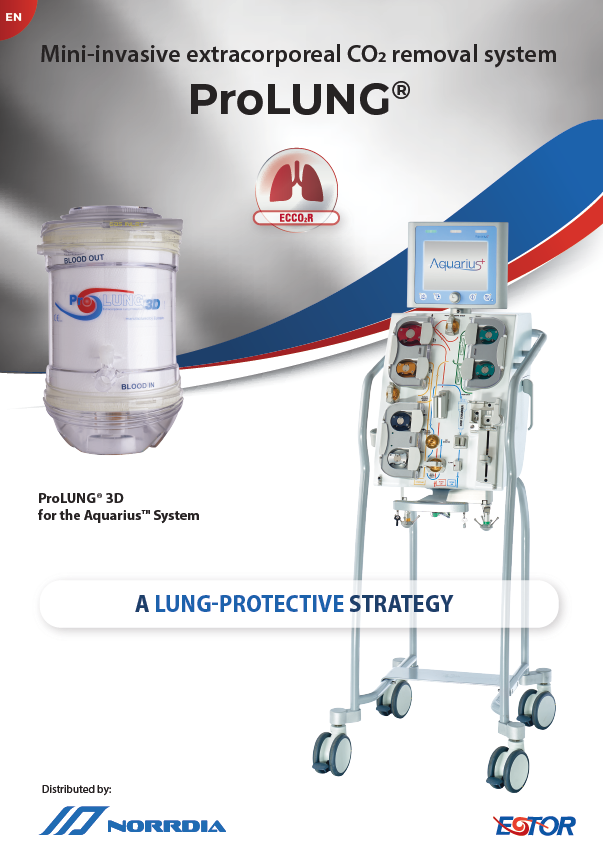
Patient selection is a critical step in extracorporeal CO₂ removal therapy. This practical guide provides clear, evidence-referenced decision pathways for the use of LF-ECCO₂R in ARDS, acute exacerbation of COPD, and other indications – helping ICU clinicians determine which patients are most likely to benefit. Download it to support your team's patient selection process and lung-protective strategy.
Whether you are establishing an ECCO₂R programme or refining your patient selection criteria, this guide provides a concise, evidence-referenced framework you can apply in practice. It is designed not to replace local protocols, but to complement them – giving your team a shared clinical language and a structured approach to one of critical care's most complex decisions.
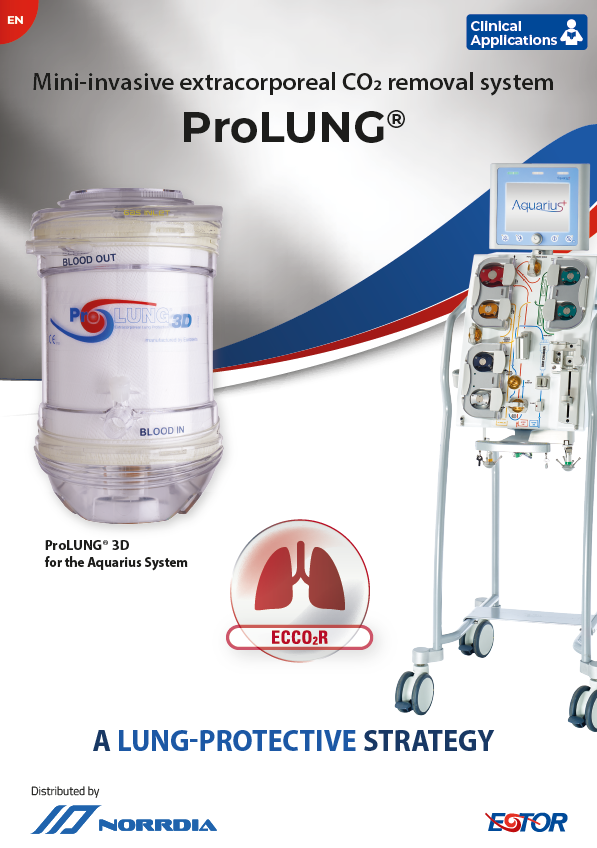
Register on our CARE Portal to get access to extensive educational content.
Those documents will support you while using our products and can provide advice on specific features.
Register on our CARE Portal to get access to those documents as well as extensive educational content.