Sepsis
Clinical Challenge
Sepsis is a life-threatening organ dysfunction caused by a dysregulated host response to infection. It remains one of the leading causes of admission to, and death in, intensive care units worldwide.
Septic shock is a subset of sepsis in which underlying circulatory, cellular, and metabolic abnormalities are associated with a greater risk of mortality than sepsis alone. A large university hospital might have several septic shock patients admitted to the ICU each week.
Current standard therapies primarily address the infection and supporting the failing organs, but do not directly target the dysregulated inflammatory response driving ongoing tissue damage.
Endotoxin can play a pivotal role in the pathogenesis of sepsis, triggering a dysregulated inflammatory response and consequent extensive organ injury. Up to 80% of patients with septic shock have elevated levels of endotoxin. At least 30% have very high levels of endotoxin.
Clinical and Resource Impact
Sepsis is one of the most devastating conditions encountered in critical care, with rapid progression from infection to life-threatening organ dysfunction and septic shock.
Once the body's immune response becomes dysregulated, excessive inflammation can lead to circulatory collapse, multiple organ failure, and death despite appropriate antimicrobial therapy and supportive care.
Patients with septic shock and elevated endotoxin levels face particularly poor outcomes. Septic shock patients with very high levels of endotoxin experience mortality at roughly twice the rate of those without high levels of endotoxin.
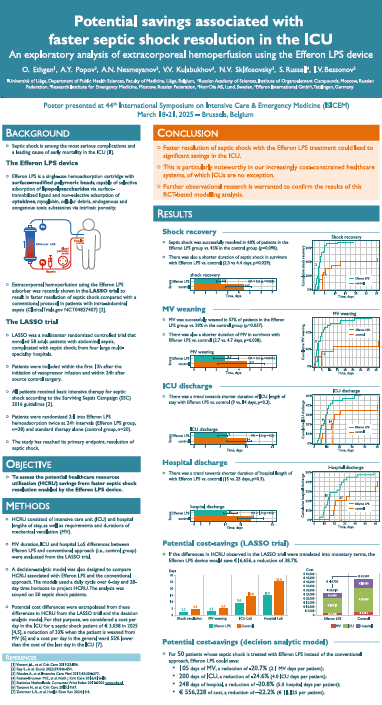
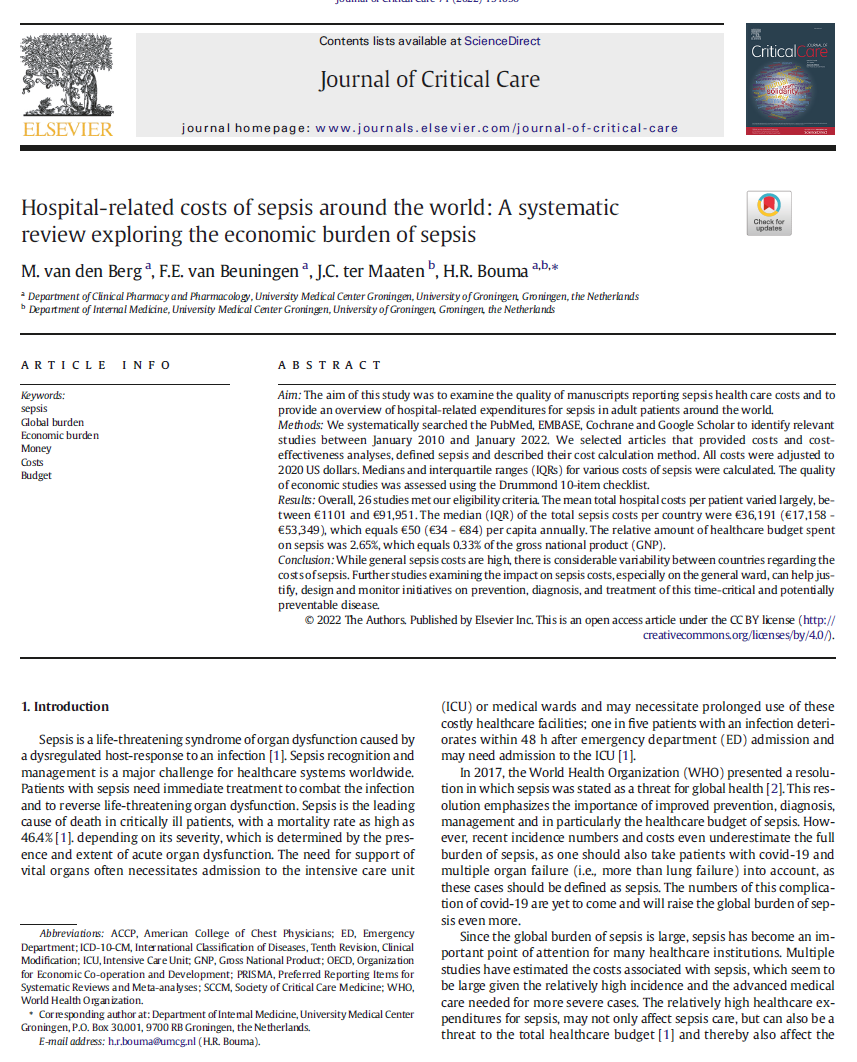
The consequences and burden extend beyond the individual patient to the ICU and hospital. Sepsis significantly increases healthcare resource utilization, with patients requiring three times longer ICU stays than non-septic patients. A systematic review published in Critical Care1 shows that sepsis consumes roughly 2.65% of total healthcare budgets across various nations. This is similar in magnitude to the total cost of ESRD and chronic dialysis in these countries.
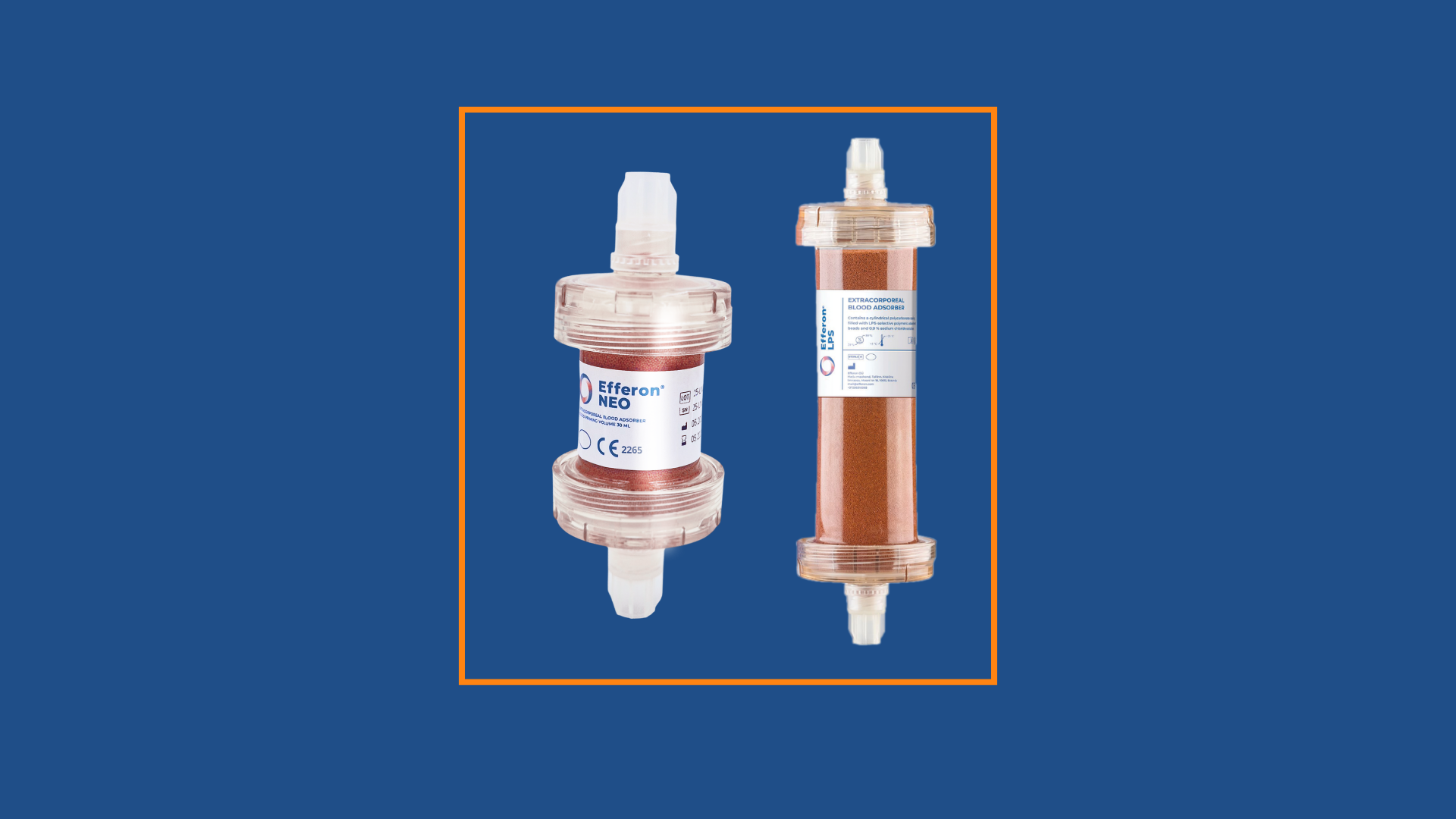
Efferon® LPS
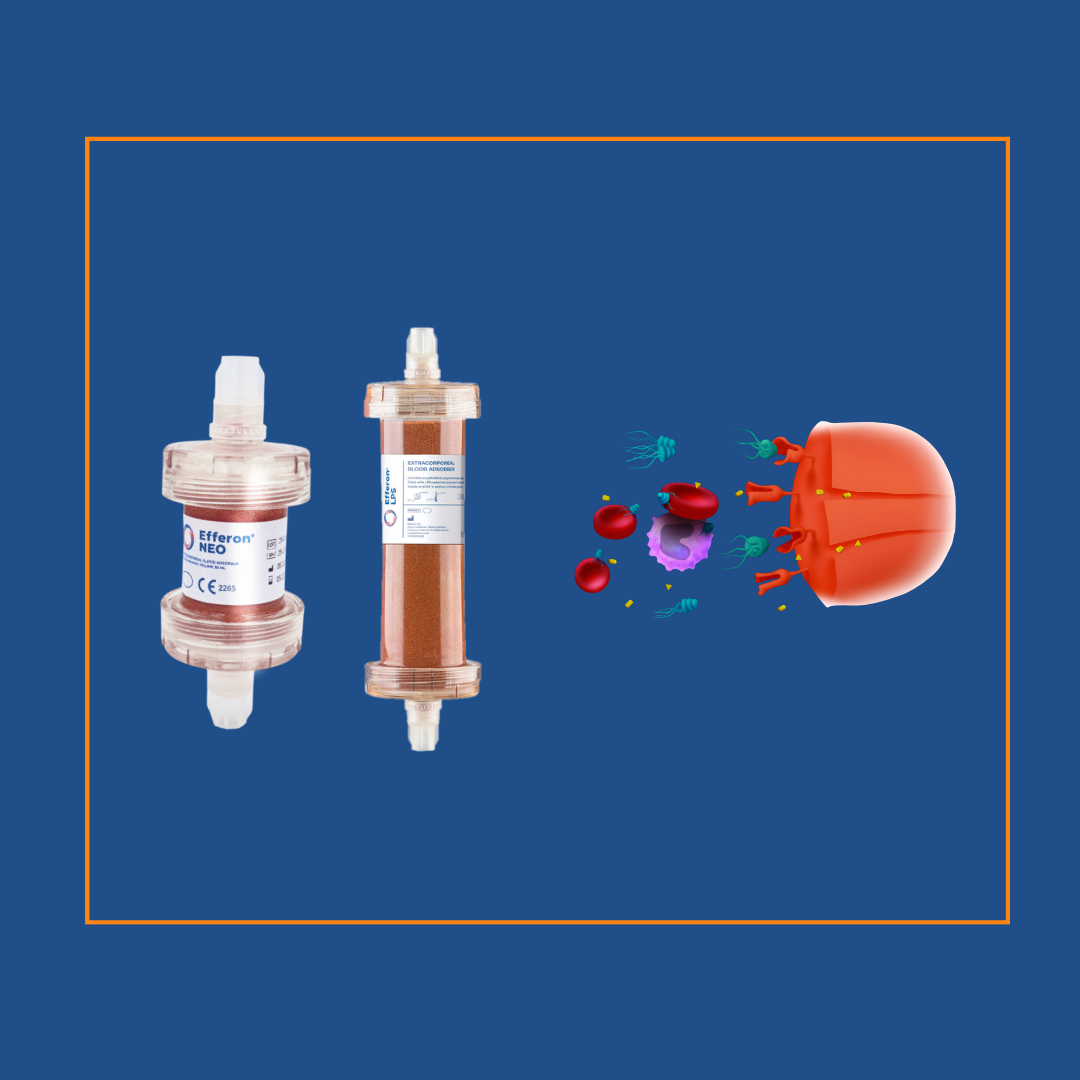
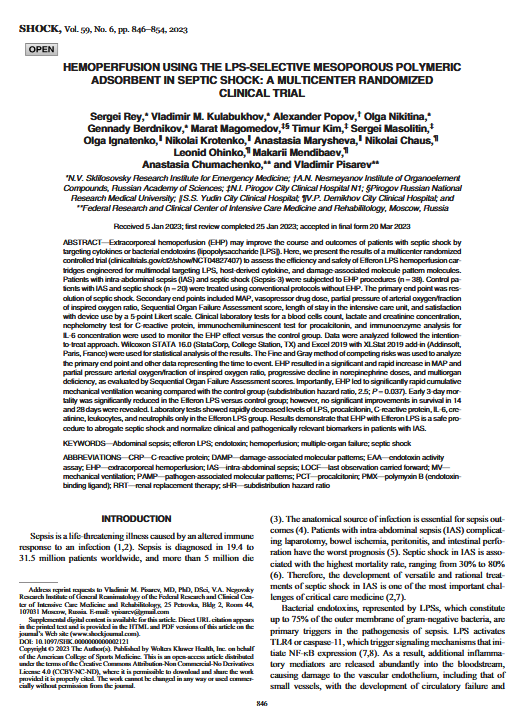
Efferon® LPS is a third-generation extracorporeal blood purification device designed to complement standard sepsis care by targeting two key drivers of septic shock: endotoxins (lipopolysaccharides, LPS) and excess inflammatory mediators (cytokines).
Dual Mechanism of Action
Unlike therapies that target only a single inflammatory pathway, Efferon® LPS simultaneously removes:
- Endotoxins (LPS) through a surface-immobilized selective ligand.
- Cytokines and inflammatory mediators through the intrinsic porosity of hypercrosslinked polystyrene beads.
By addressing both components of the dysregulated immune response, Efferon® LPS aims to help restore immune balance during septic shock.
Conclusion
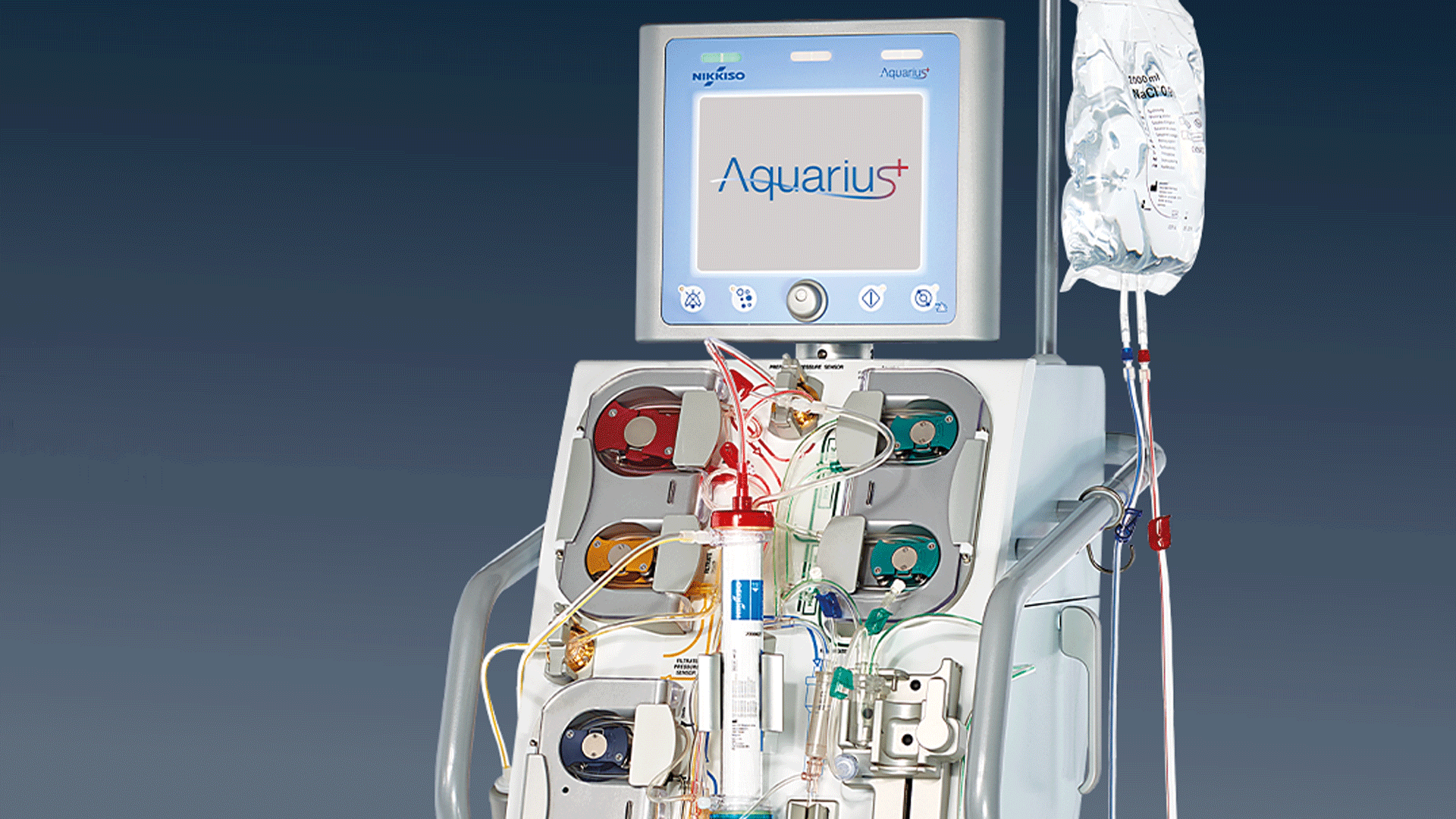
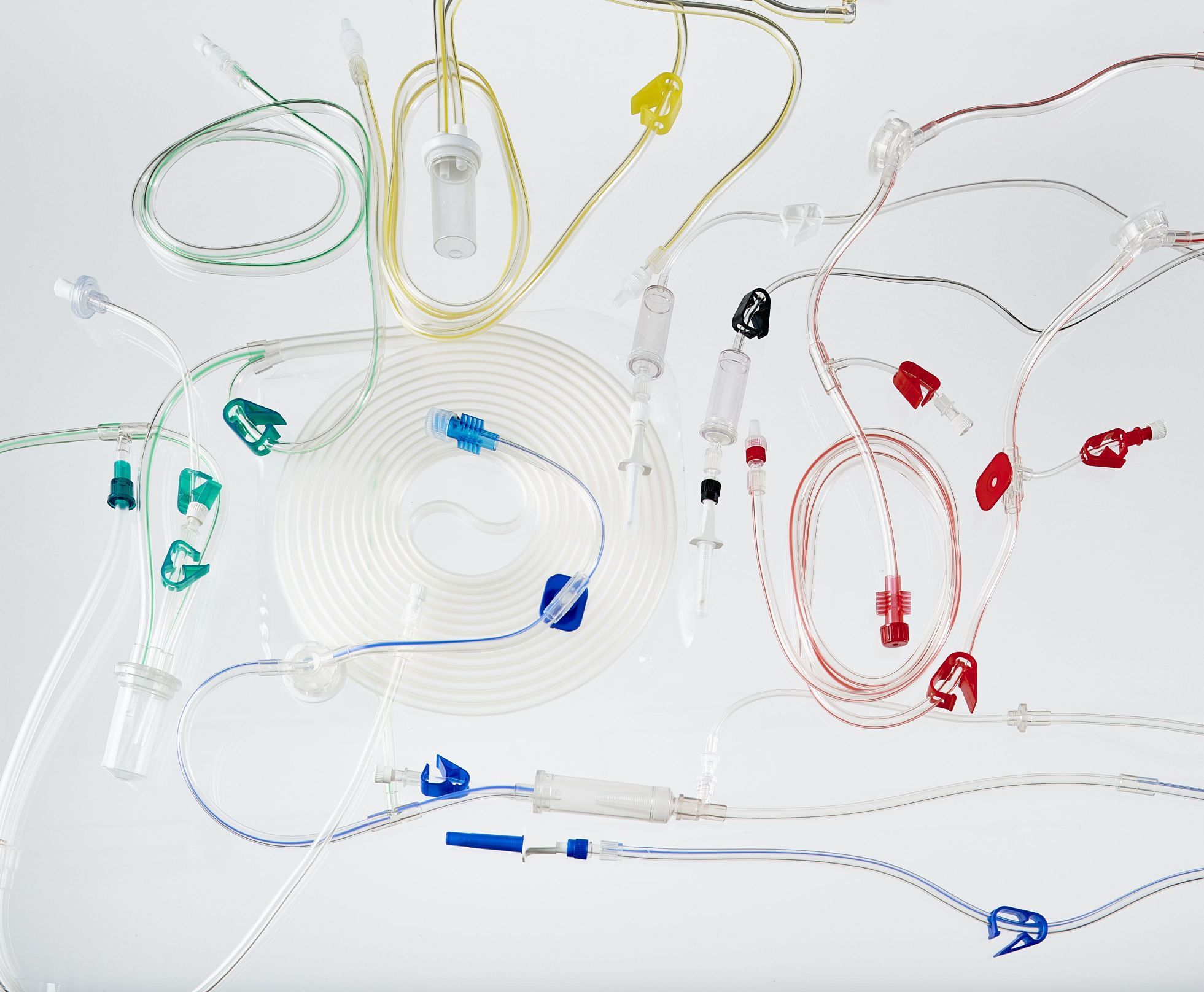
Efferon® LPS offers a comprehensive approach to blood purification in septic shock by combining dual-target removal of endotoxins and cytokines, evidence from a randomized controlled trial demonstrating improvements in clinically relevant outcomes, potential reductions in ICU resource utilization and hospital costs, and easy integration into existing extracorporeal therapy workflows.